Climate Summit in Belem
Real solutions or trade fair?
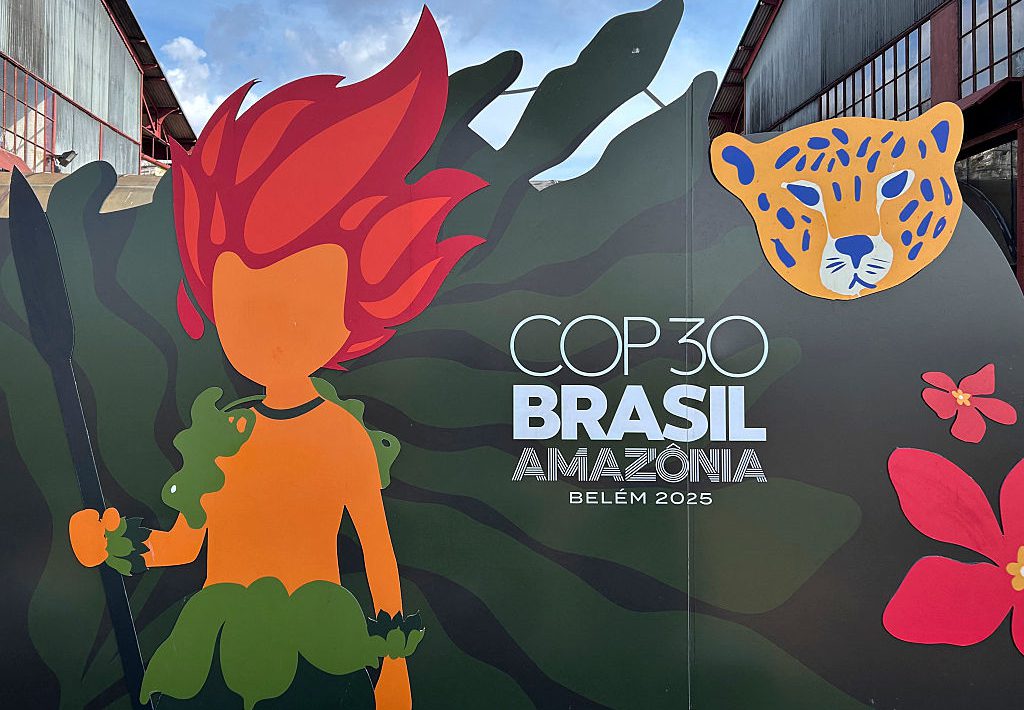
COP30 in Belém, Brazil brought together leaders from 30 countries with the aim of tackling the climate crisis. However, while negotiations focused on how to adapt to increasingly frequent natural disasters, citizens showed a genuine interest in immediate and accessible solutions.
Adaptation as an official strategy
Discussions revolved around financing loss and damage caused by hurricanes, droughts, earthquakes, floods, fires and pandemics. The predominant approach was to accept these phenomena as a "normal" part of life and to allocate large investments to mitigate their consequences. This reactive approach does not address the root of the problem: reducing emissions and transforming the habits that generate climate change.
The Food Paradox
In contrast, the areas open to the public offered a very different scenario. Thousands of attendees participated in conferences on the impact of food on the climate and tasted vegan foods for the first time. The response was enthusiastic: smiles, curiosity and a marked interest in vegetable proteins. While citizens were eager for knowledge about plant-based eating and the consequences of animal farming, official agreements ignored the most immediate and effective solution: adopting a plant-based diet. The summit, more trade fair than decisive meeting, repeated formulas already known since the Paris Summit in 2015.
Main official agreements
The "Belém Package", approved by 195 countries, included:
• Mobilize $1.3 trillion annually for climate action by 2035.
• Double adaptation finance by 2025 and triple it by 2035.
• Operational loss and damage funds with replenishment cycles.
• Launch of the Belém 1.5° Mission to maintain the temperature limit of the Paris Agreement.
The reality in Brazil and the Amazon
• Brazil is the #1 exporter of beef in the world, which connects directly to deforestation and methane production.
• In May 2025, 960 km² of Amazon rainforest were lost, an area larger than New York, and 92% more than in May 2024.
• In the last 50 years, the Amazon has lost almost 20% of its forest cover.
These data should have generated a discussion about the role of methane, a greenhouse gas about 80 times more potent than CO₂ in the short term. The livestock industry contributes more than 50% of climate change. However, the focus remained on carbon dioxide. While talking about "green" technologies, the impact of diet and livestock farming was ignored. The FAO’s Livestock's Long Shadow report (2006), which analyzes methane, nitrous oxide and land use emissions, is still as relevant today as it was then, but no one seems to have read it.
The True Approach
The solution to the climate problem does not depend only on international agreements or millionaire investments. We cannot wait for the authorities to discuss the role of livestock farming or to dare to take unpopular measures.
A daily habit that can transform the history of humanity is the conscious choice of what we consume every day. Plant-based eating is healthy, sustainable and delicious, the future of the planet depends on what you decide today.
