Feeding strategies that make a difference before, during and after CRC treatment
Every year, more than 145,000 adults in the United States are diagnosed with colorectal cancer. The good news is that science shows how nutrition and lifestyle can make a real difference—before, during, and after treatment.
Before Treatment: Nourish to Prevent
The World Health Organization has classified processed meats—like bacon, sausages, and deli meats—as proven carcinogens. Even a small daily portion increases risk by 18%.
On the other hand, research from the Physician Committee for Responsible Medicine shows that people following a plant-based diet have a 22% lower risk of developing colorectal cancer. Why? Because a balanced gut microbiota protects the colon, while imbalance (dysbiosis) promotes inflammation, carcinogenic compounds, and tumor growth.
Excess processed meat, low fiber intake, or antibiotics can trigger harmful metabolites that cause chronic inflammation.
Changes in gut bacteria affect DNA repair and immune regulation.
Plant-rich diets increase microbiota diversity, lowering the risk of polyps and cancer.
Fiber also speeds up intestinal transit, reducing contact between harmful substances and the colon lining. Those who consume more than 30 different plant-based fiber sources per week have a more diverse, protective microbiota.
Five Keys to Prevention
Eat a whole-food, plant-based diet.
Maintain a healthy weight.
Stay active—walking is one of the best exercises.
Avoid alcohol; experts agree there is no “safe” amount.
Get screened: colonoscopy is recommended between ages 45–50, then every 10 years if normal.
During Treatment: Eat to Endure
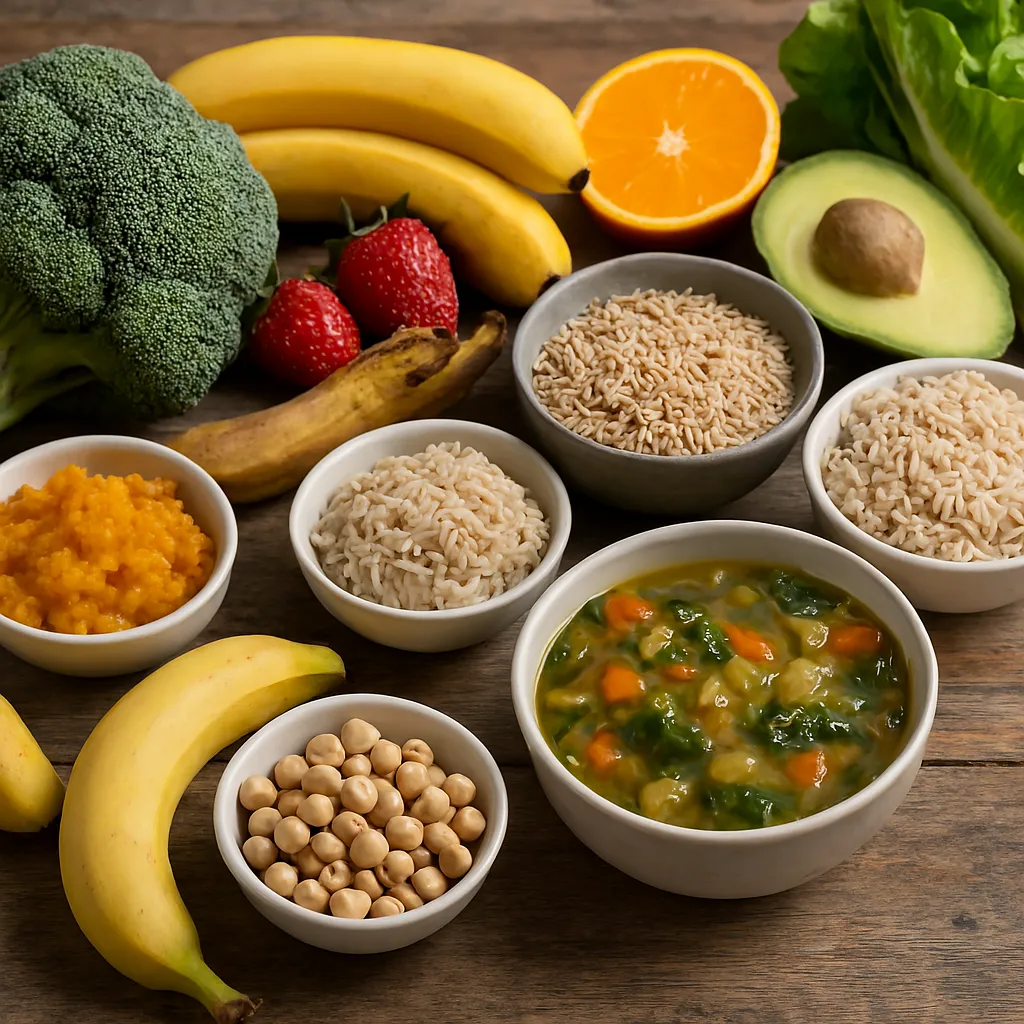
Cancer therapy often brings tough symptoms: loss of appetite, nausea, diarrhea, constipation, dry mouth, or taste changes. The National Cancer Institute recommends soft, easy-to-digest, nutrient-rich foods. In a plant-based diet, this means rice, oatmeal, bananas, squash, light soups, and soft fruits.
Stay hydrated with water or unsweetened herbal teas.
Eat small, frequent meals to maintain energy.
Download the free PDF Foods That Help Before, During, and After Cancer Treatment for strategies to manage 12 common symptoms.
After Treatment: Strengthen to Prevent Recurrence
Once treatment is over, nutrition remains key to avoiding relapse. A vegan diet rich in whole grains, legumes, fruits, and vegetables strengthens the immune system and supports a protective microbiota.
A study published in the Journal of Gastrointestinal Oncology (Zheng et al., 2022) found that intermittent fasting and the fasting-mimicking diet (FMD) help regulate metabolism and may reduce recurrence risk.
Fasting alters energy metabolism and can inhibit cancer cell growth.
FMD, low in calories and protein but rich in micronutrients, mimics fasting benefits without its challenges.
Early clinical trials show promise, though research is still exploratory.
The evidence is clear: every meal is an opportunity to strengthen your body against cancer. A vegan diet, combined with physical activity, healthy weight, early detection, and strategies like fasting, can make a powerful difference for your health today and tomorrow.
