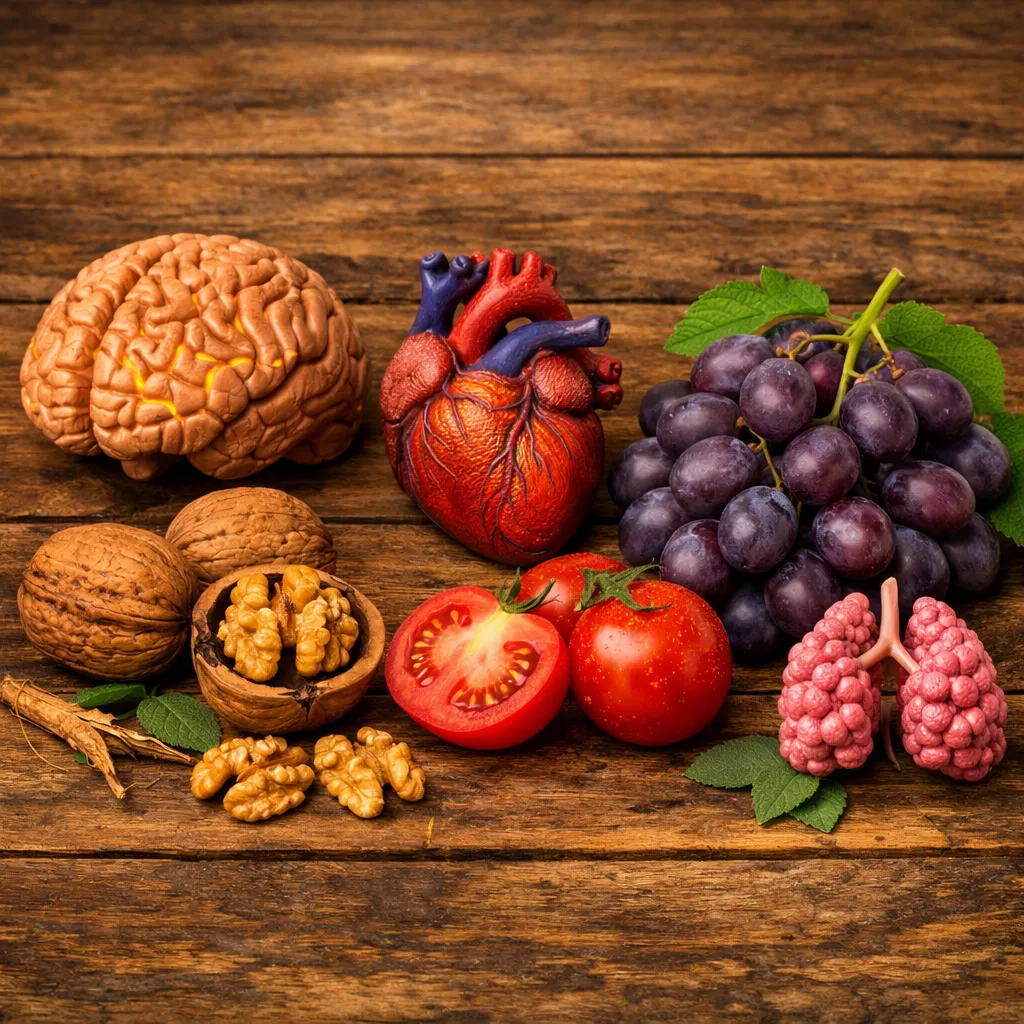
The Secret Language of Food
Each food keeps a clue about the organ it cares for, guess which one?
The so-called theory of signatures born in ancient Greece is based on the premise "as above, so below" or on morphological correspondence. Although this theory has been superseded by modern pharmacology, it is curious to note that many fruits and vegetables provide specific nutrients to organs of the body whose shape is similar.
Walnut - looks like a small brain with its symmetrical hemispheres and folds. It contains omega-3 fatty acids, essential for communication between neurons and supports brain function. Walnuts help produce many neurotransmitters and reduce brain inflammation. They provide vitamin E and polyphenols, antioxidants that protect against cognitive decline and are an excellent source of protein and healthy fats.
Carrot - sliced resembles an eye: the pupil and the lines radiating like irises. Its beta-carotenes are converted into vitamin A, essential for rhodopsin, which allows you to see in low light. It also has vitamin C, flavonoids, and antioxidant phytochemicals. Carrots help prevent cataracts and macular degeneration. Eat raw or steamed.
Red tomato - its cavities remind us of the heart. Lycopene is an antioxidant carotenoid that reduces the oxidation of LDL cholesterol, preventing the formation of plaques in the arteries. Studies indicate that it decreases the risk of cancer and may help protect against the effects of UV rays. Its consumption is associated with a lower risk of heart attacks and better cardiovascular health. It is very versatile and easy to incorporate into the diet.
Kidney bean - looks like a kidney. Its soluble fiber regulates the absorption of glucose and cholesterol, reducing the burden on the kidneys. It provides magnesium, potassium and molybdenum (essential for detoxifying sulfites from preservatives). Excellent source of vegetable protein.
Sweet potato - shaped like the pancreas, its beta-carotenes act as antioxidants that protect pancreatic cells from damage due to cancer or aging. It contains fiber, which regulates glucose absorption, preventing sugar spikes and reducing the load on this organ. Excellent food for people and their dogs.
Mushroom - cut lengthwise the arch of the mushroom resembles the pinna. Mushrooms have been shown to be an important source of vitamin D, which regulates the metabolism of calcium and phosphorus, essential for the bones of the ear. A lack of vitamin D is associated with hearing loss and bone fragility.
Celery – the bone structure of the foot, with its long, fibrous bones and cartilage, resembles a celery stalk. It contains silicon, important for connective tissue (skin, cartilage and tendons), participates in collagen synthesis and bone mineralization. It has vitamin K, which activates osteocalcin, a protein that binds calcium.
Ginger - with its twisted shape, it evokes the stomach. Due to its anti-inflammatory and antiemetic properties, it relieves nausea, promotes digestion, stimulates gastric motility and is a natural ally for the digestive system. If you have arthritis, make an infusion with turmeric to help reduce inflammation. Tip: improve the absorption of turmeric by adding a pinch of black pepper.
Eggplant - is associated with the male reproductive organs. It is rich in antioxidants that protect cell membranes and phenolic compounds that improve circulation, including that which reaches the reproductive organs. Source of vitamin B6, which regulates sex hormone levels. Animal studies suggest that it may protect the testicles from oxidative damage and improve sperm quality.
Ginseng - root similar to the human body. It improves immune response, stress and reduces fatigue. Studies suggest benefits in cognitive function, metabolism, glucose regulation, and physical endurance. Do not exceed 2 g/day for less than three months. Not suitable in pregnancy, breastfeeding, children, immunocompromised individuals or individuals with heart disorders, or estrogen-sensitive cancers, or before surgery. It may interact with drugs, ask your doctor before taking.
Grapes - similar to pulmonary alveoli. They contain resveratrol and proanthocyanidins, antioxidants that protect lung tissue and strengthen microcirculation. They are studied in the prevention of lung cancer and asthma. Dark grapes, with a higher concentration of antioxidants, offer cardiovascular and memory benefits. The green ones stand out for their fiber and vit content. K. Without the risks of alcohol, they are a better choice than wine.
Avocado - with its oval shape, reminiscent of the uterus. It is rich in folates, vitamin B9 essential for DNA synthesis and cell division. During pregnancy, folate prevents neural tube defects in the fetus and reduces the risk of cervical dysplasia. This fruit provides multiple benefits, it is good for the skin, hair, eyes and needs no cooking.
Banana - its curve, imitates a smile. Beyond the metaphor, it contains tryptophan, an amino acid that converts to serotonin, the neurotransmitter that regulates mood, sleep, and appetite. Its potassium helps control blood pressure and muscle function. It's cheap, satiating and easy to take everywhere.
The doctrine of signatures confirms that many of these foods contain substances with real and measurable effects on the body. Behind the colors and shapes of fruits and vegetables are molecules working hard for you.
Give your body the fuel it was created for. By eating highly processed foods, your body works much more to digest compounds that don't exist in nature. The plant-based diet helps improve your health, weight, appearance, and energy, as there is a correlation between natural foods and every organ in the body. Try a conscious diet, without sacrifices, for your benefit, that of the animals and the planet.
