Food Guide for Wise Women: Nutrition in Menopause and Perimenopause
Worried about menopause or perimenopause?
Menopause is nothing more than a new stage of your life that you have been lucky enough to reach, where your diet can be your best ally. Today, you'll discover which foods have the power to balance your hormones, take care of your bones, and bring energy back into your day. Get ready to transform your dish into medicine and your kitchen into a wellness space. Learn about perimenopause and menopause, what their symptoms are, and how eating and implementing proper habits can relieve them without using hormones.
Perimenopause
1. It is a transitional stage before menopause in which menstrual cycles become irregular and hormones fluctuate
2. Common symptoms: hot flashes, insomnia, mood swings, menstrual irregularity, and vaginal dryness.
Menopause
1. Menopause is considered when 12 consecutive months have passed without menstruation.
2. It marks the end of the reproductive stage; Estrogen and progesterone levels remain low, and persistent symptoms may occur that affect quality of life.
What are hormones and what happens in these stages
1. Hormones: chemical messengers that regulate the menstrual cycle, sleep, mood, bone density, and metabolism.
2. Estrogen: influences body temperature, sleep, mood, and bone health; its fall or fluctuation causes hot flashes, insomnia, mood swings, and cardiovascular risk.
3. Progesterone: has a calming effect and promotes sleep; its decrease can increase insomnia and anxiety.
4. Understanding these changes helps to choose foods and habits that support hormonal balance without relying exclusively on hormone therapy.
Why Food Can Help (Evidence on Phytoestrogens)
1. Some vegetables contain phytoestrogens, compounds that bind to estrogen receptors and can modulate their action more smoothly than synthetic hormones.
2. Reviews and studies show that increasing the intake of phytoestrogens can reduce several symptoms of menopause, so incorporating them into the diet is a reasonable strategy for those looking for alternatives or supplements to hormone therapy.
Foods rich in phytoestrogens
1. Flax seeds: very rich in lignans; grind them (flax meal) to take advantage of their benefits.
2. Sesame seeds: source of phytoestrogens; consume ground or sprinkled on plates.
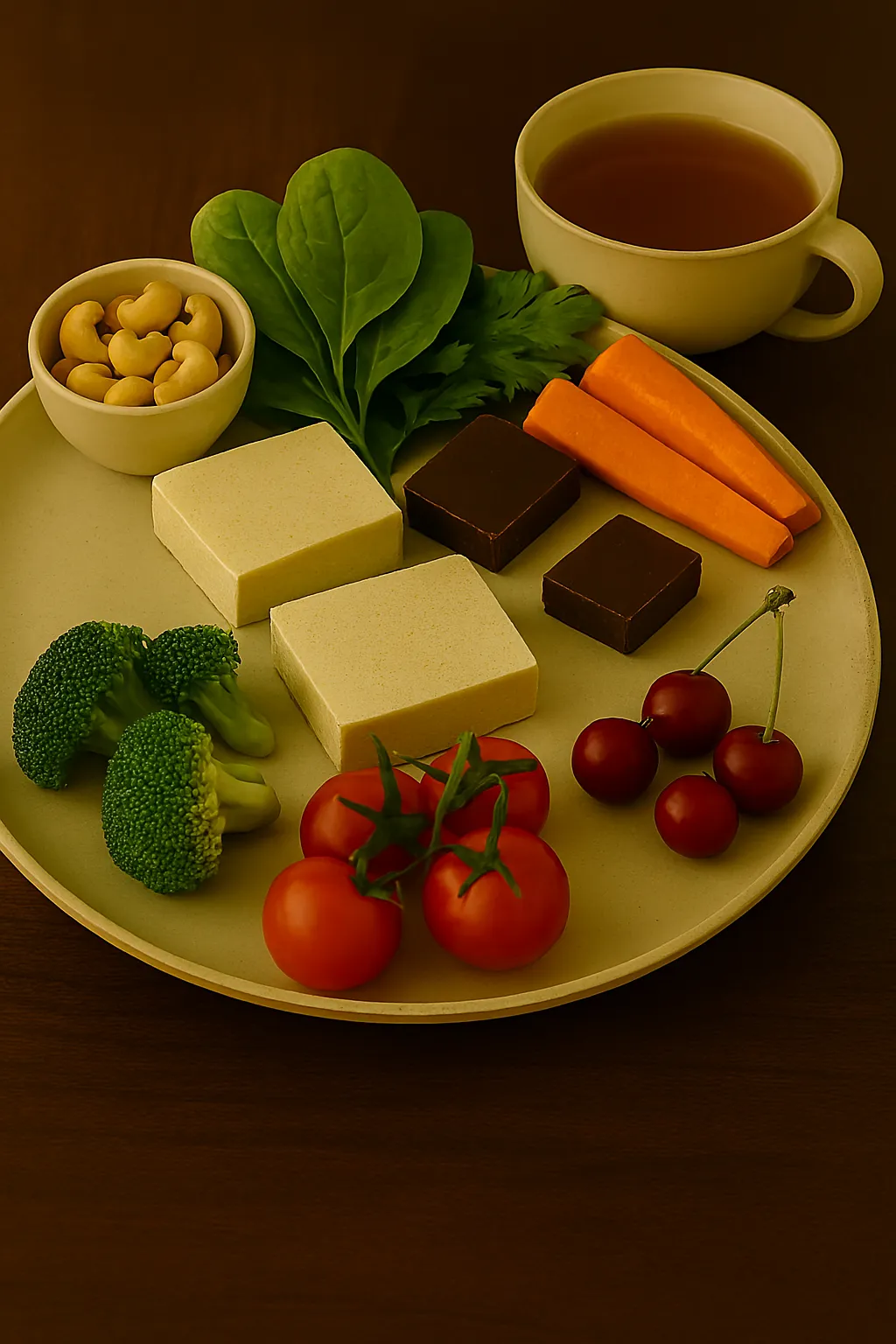
3. Soy and derivatives (isoflavones): soy, edamame, tofu, tempeh, soy milk, miso; choose organic when possible.
4. Dried apricots: contain various phytoestrogens and provide fiber that favors the microbiota.
5. Cashew nuts: they contain lignans and are a practical snack to increase phytoestrogens.
6. Broccoli and Brussels sprouts: cruciferous vegetables with isoflavones and other beneficial compounds; consume steamed, roasted or sautéed.
Foods that support progesterone (phytoprogestogens)
1. Kaempferol: broccoli; kale; arugula; apple; grapes; green tea.
2. Apigenin: parsley (featured source); oranges; onion; celery; green tea.
3. Luteolin: artichoke; celery; broccoli; carrot; rosemary; thyme.
4. Naringenin: grapefruit; sour orange; cherries; dark chocolate; tomato.
Including a variety of these vegetables, fruits, and teas helps support progesterone action and overall hormonal balance.
Drinks and Plants That Can Help Sleep and Stress
1. Chamomile tea: soothing effect.
2. Tart cherry juice: natural source of melatonin.
3. Lemon balm or valerian infusions: relaxing, useful in menopause.
4. Lavender: its aroma facilitates sleep.
5. Ashwagandha: Adaptogen that helps regulate cortisol and may improve symptoms related to stress and menopause.
Habits to balance your hormones without chemicals
·Regular exercise: combine cardio, strength, and mobility; choose activities you enjoy to stay consistent.
·Maintain a healthy weight: avoid extreme diets; both excess and calorie deficits can disrupt hormones like insulin, leptin, and thyroid hormones.
·Turn off screens before bed: blue light disrupts the circadian rhythm and melatonin; turn off devices at least 1–2 hours before sleeping or use blue light filters.
·Get morning sunlight: helps sync your biological clock, boosts serotonin, and supports vitamin D production.
·Reduce chronic stress: techniques like mindful breathing, yoga, tai chi, meditation, or massages lower cortisol and improve hormonal balance.
·Prioritize sleep: nighttime routine, dark and cool environment, regular schedules; sleep regulates hormones related to appetite, mood, and recovery.
·Minimize exposure to endocrine disruptors: choose BPA-free products, organic foods when possible, safe kitchen utensils, and phthalate-free cosmetics.
Final Precautions and Recommendations
1. Consult a professional (doctor or nutritionist) if you have severe symptoms or before starting supplements.
2. Individualize: each body responds differently; What works for one person may not be ideal for another.
3. Phytoestrogens and phytoprogestogens can help, but they do not always replace hormone therapy when it is medically necessary.
Hopefully you can apply one or all of these ideas to regulate your hormones and lead a full life, in a better world, where peace, love and health reign through natural and ecological practices for all of us who inhabit this beautiful planet, because remember that there is no human health without a healthy planet.
The aim of this article is to provide educational and motivational content to support healthier lifestyles and is not intended to be a substitute for medical advice, diagnosis or treatment. Talk to your doctor or other qualified health care provider if you have any conditions.
