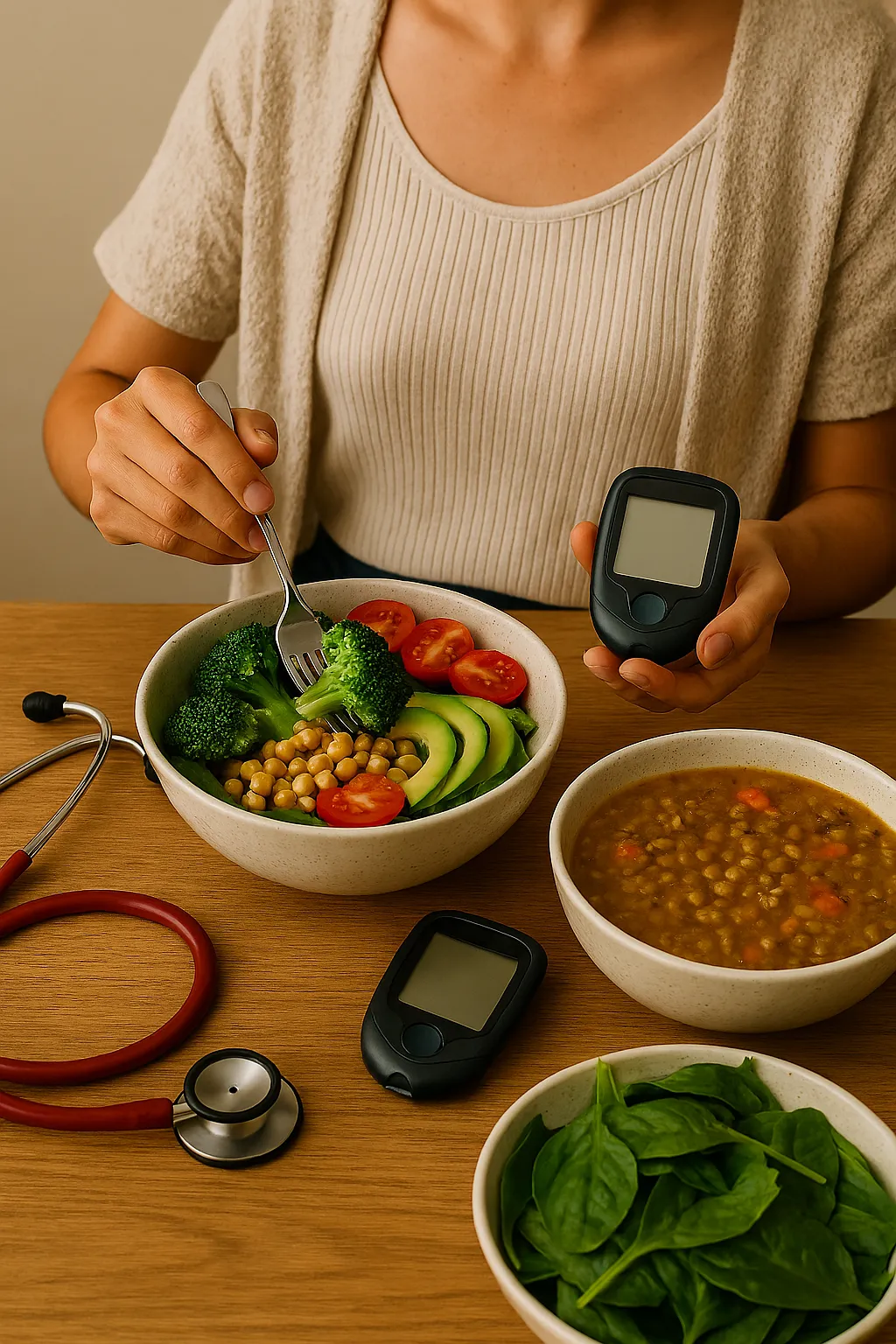
Do you have what it takes to succeed in reversing type 2-diabetes?
Did you get some tests done and find your blood sugar (glucose) is high?
You may be worried about being diagnosed with type 2 diabetes, which occurs when the body doesn't use insulin properly, leading to high blood glucose levels. Symptoms include excessive thirst, constant hunger, fatigue, blurred vision, frequent infections, and numbness in the hands or feet.
According to the CDC (2021 estimates) over 38 million adult Americans have diabetes and close to 9 million that had high blood sugar were unaware of having or had undiagnosed diabetes. The prevalence of diabetes is steadily rising, and the majority, about 90-95% of cases, consist of type-2 diabetes. Among younger people (below age 20), type 1 diabetes is more common, which includes over 300,000 children and adolescents.
Did your tests come back positive?
If your fasting blood sugar is between 101 and 125 mg/dL, you are considered prediabetic. In this range, the risk of developing diabetes is higher. A persistent fasting blood glucose level above 126 mg/dL or 200 mg/dL two hours after eating, indicates diabetes and increases the risk of long-term kidney and eye complications.
But can this disease be cured?
Traditional treatment combines oral medications, injected insulin, constant monitoring, and lifestyle adjustments. However, more and more people are exploring complementary approaches such as a plant-based diet, which can improve insulin sensitivity and reduce inflammation. Controlling glucose doesn't mean sacrificing flavor or resigning yourself to boring menus.
Fortunately, prediabetes is reversible with dietary and lifestyle changes that include weight control and adequate physical activity. And if you already have type 2 diabetes, adopting these changes can help you control the disease, reduce medication doses, and even enter remission (medical studies don't talk about a definitive cure). However, if symptoms have disappeared without medication for a period of 6 months, it can be considered remission, and maintaining healthy habits for life is essential to maintain it.
KEY PRINCIPLES FOR GLUCOSE
1. Avoid refined foods - Swap highly processed foods for whole grain or plant-based foods. Reduce your consumption of sugars, fats, salt, and additives. Limit commercial sauces and dressings.
2. Eat plant-based protein - Incorporate unprocessed plant-based foods into your diet, especially legumes and vegetables, low-sugar fruits, and whole grains. These foods provide essential nutrients and help control blood sugar levels.
3. Reduce added fats - Choose fats from whole foods like nuts, seeds, and avocados instead of refined oils. Natural sources provide nutrients and fiber, as well as healthy fats, and satisfy hunger.
4. Maintain weight and activity - Physical activity helps make insulin use more efficiently, reduces stress, and helps maintain a healthy weight. Go cycling, swimming, or walking.
5. Zero sugary drinks - Avoid beverages with added sweeteners and minimize liquid calories.
6. Supplement what's missing - Consider key supplements like vitamin B12, omega-3, iodine, vitamin D, and trace minerals like chromium and selenium when needed, especially in a plant-based diet.
How to Get Started
Eat one whole-food vegan meal a day. You can try the recipes suggested on this blog or request them by email at [email protected]. Gradually substitute another low-fat, plant-based meal until you reach a full day. Then, increase your intake of these foods by one more day each week. As you introduce healthy ingredients, you should gradually eliminate junk foods and highly refined products. After several weeks, get tested again and see how you feel. You'll notice the difference!
If you'd like personalized guidance to help you take the first step toward a healthier, more active life, click the link below and a certified plant-based health coach will contact you.
Free personalized consultation!
NOTE: The information provided in no way replaces medical advice. If you are taking medication, consult your healthcare professional.
